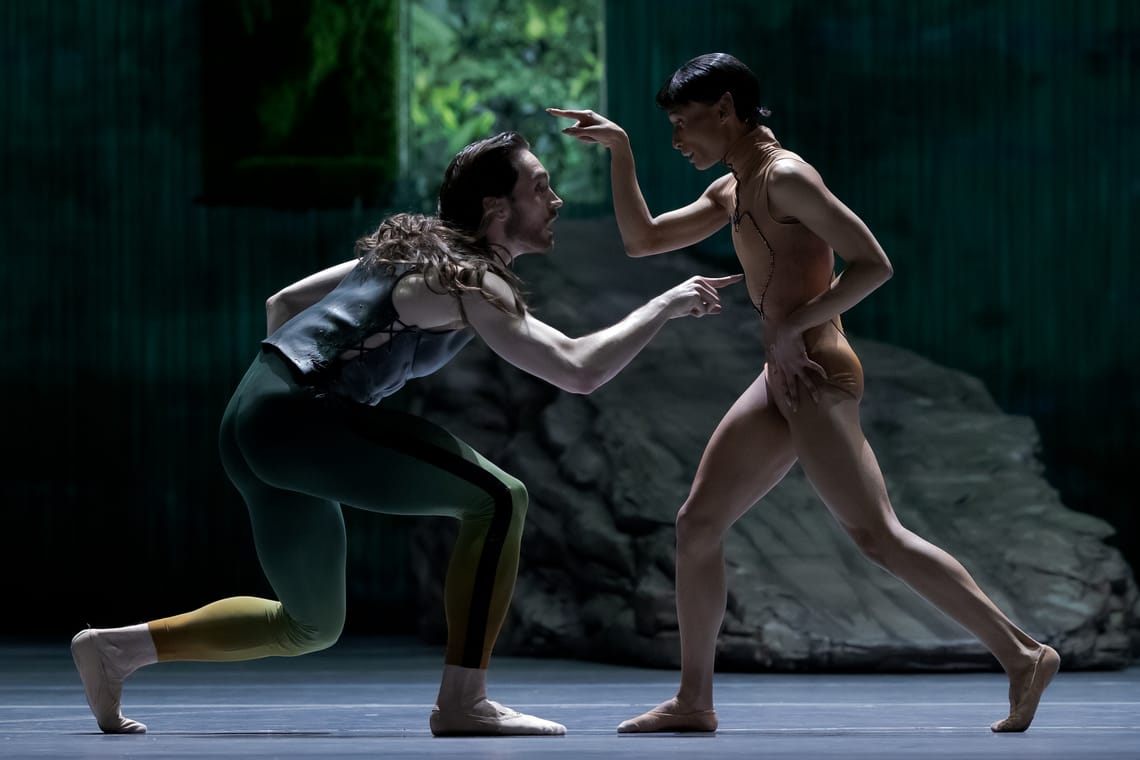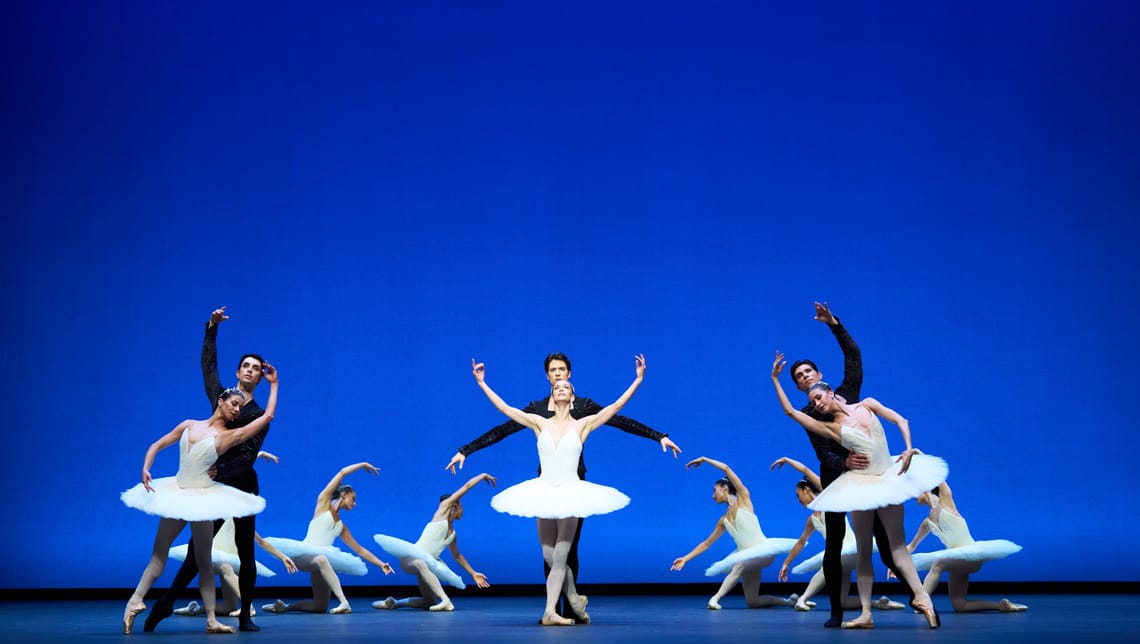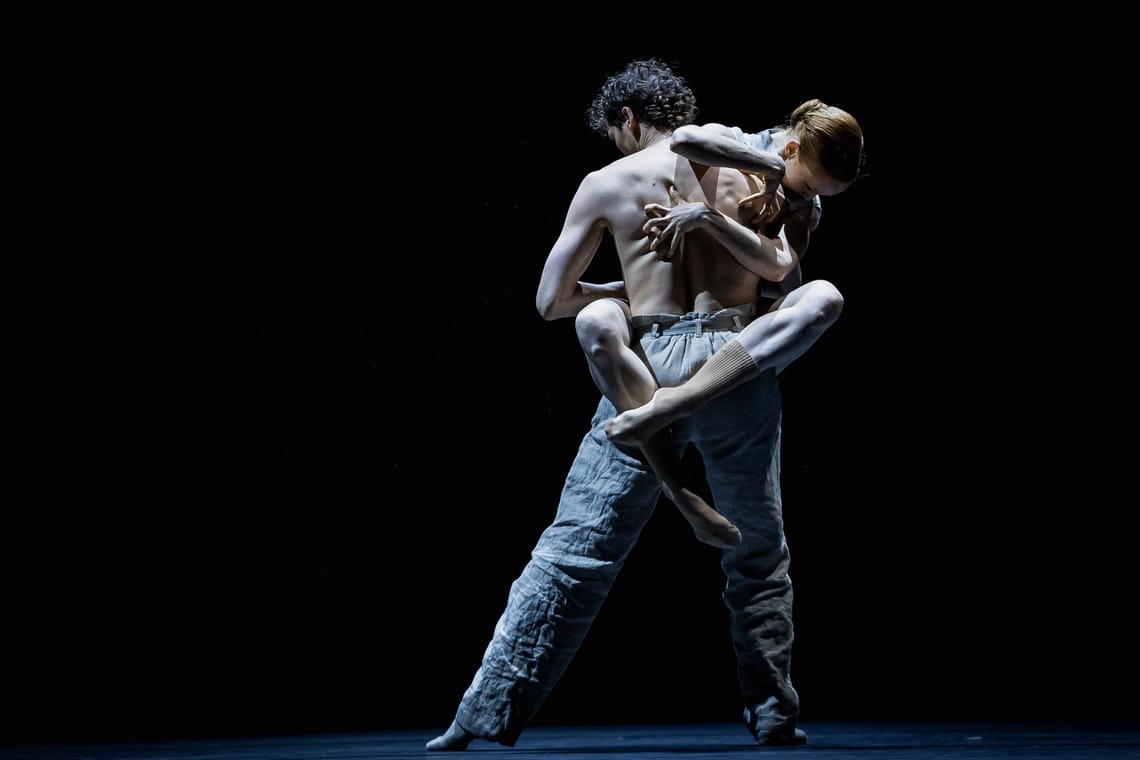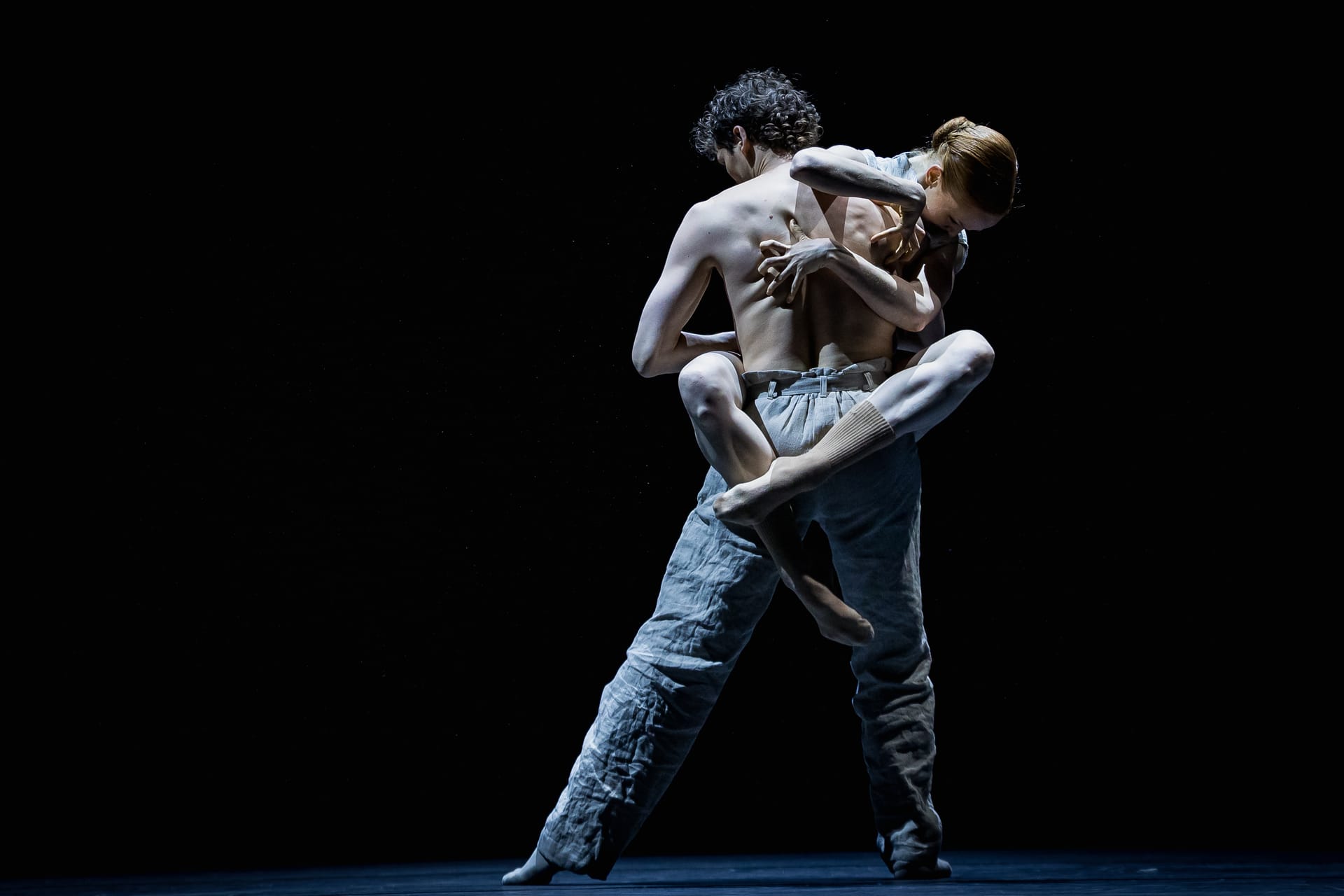
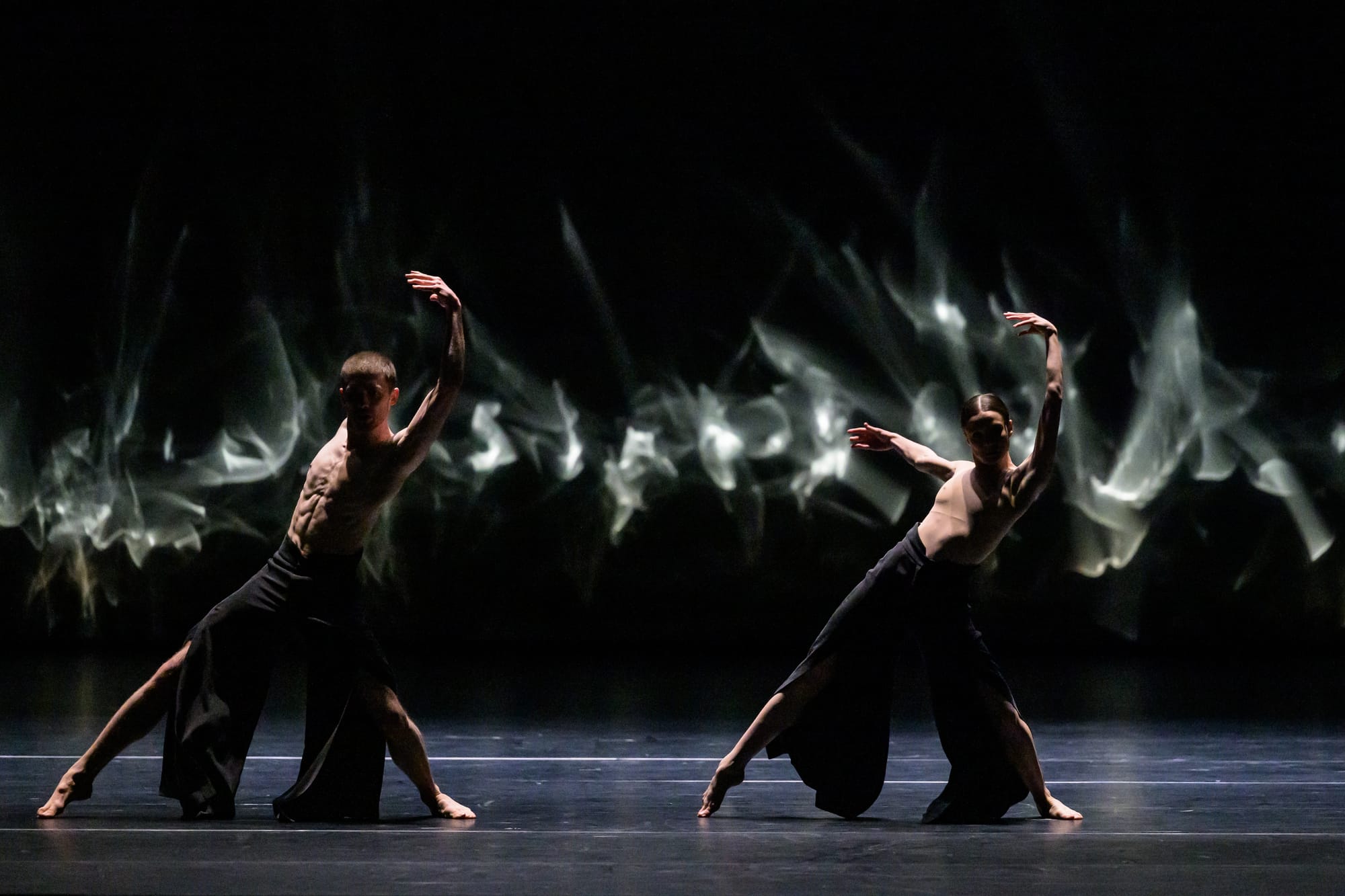
Among the contemporary works performed by Staatsballett Berlin, Gods and Dogs stands out as one of the most thought-provoking creations of renowned choreographer Jiří Kylián. Originally created in 2008 for the Nederlands Dans Theater, the ballet has become a celebrated masterpiece of contemporary dance, captivating audiences with its exploration of the human psyche and the delicate line between order and chaos.
The Story Behind the Work
*Gods and Dogs* marked the 100th choreography created by Jiří Kylián, a milestone in his extraordinary artistic career. Rather than telling a traditional story with defined characters and a linear plot, the work investigates the duality that exists within every human being. The title itself reflects this idea: the “gods” symbolize our higher aspirations, spirituality, and rationality, while the “dogs” represent our instincts, impulses, and primal nature.
Kylián has suggested that every person carries both of these forces within them. The ballet examines the tension between these opposing aspects of human nature and invites the audience to reflect on how they coexist in everyday life.
A Journey Through the Human Mind
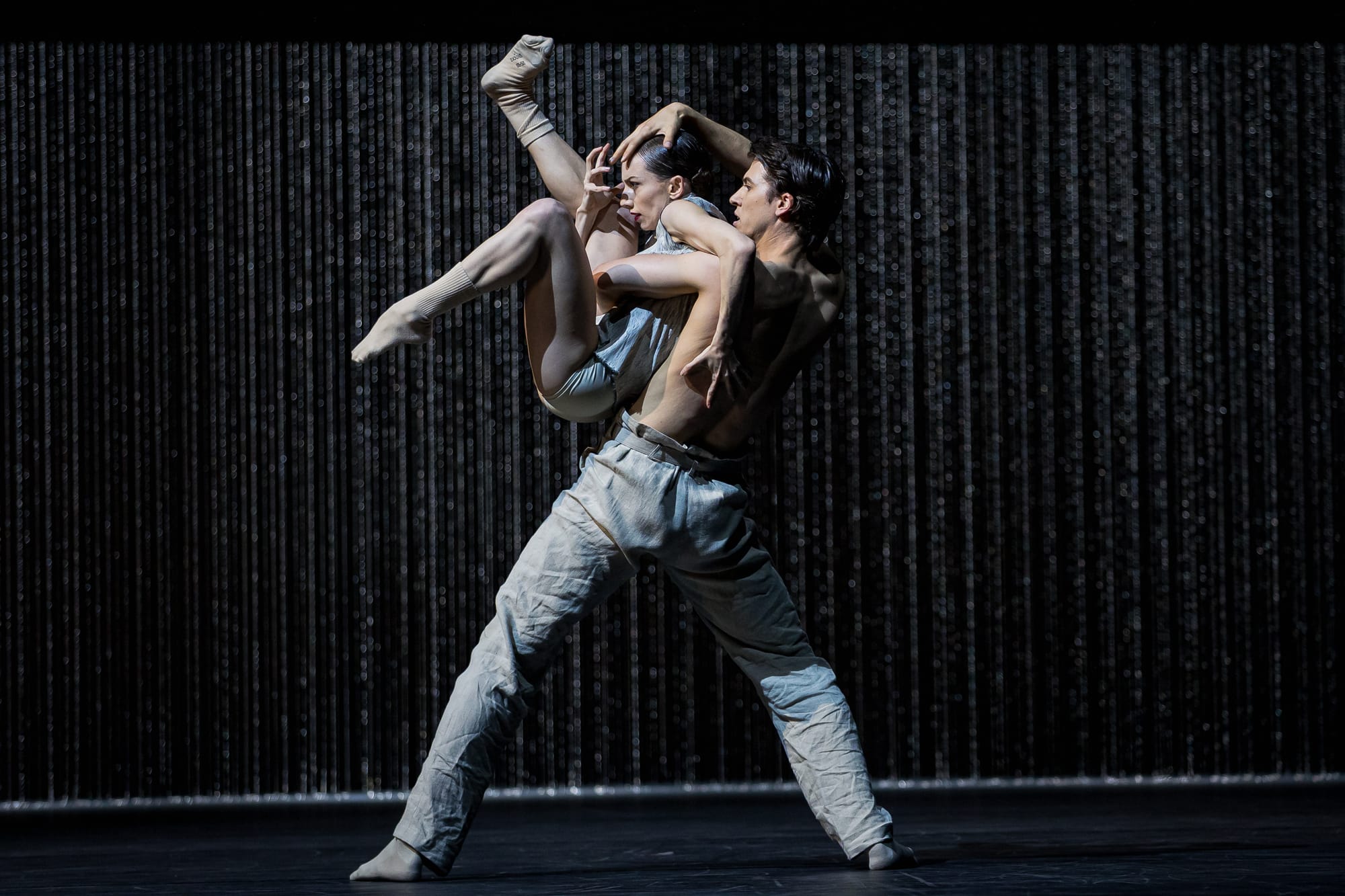
Unlike classical narrative ballets, *Gods and Dogs* unfolds as a psychological and emotional landscape. Through a series of powerful duets, group sequences, and shifting relationships, the dancers portray themes of attraction, vulnerability, alienation, control, fear, and desire.
The choreography often appears unpredictable. Movements transition rapidly between moments of grace and moments of instability, creating an atmosphere that feels both beautiful and unsettling. This constant fluctuation mirrors the fragile balance of the human mind and explores the thin boundary between sanity and chaos.
Throughout the performance, the dancers seem to search for connection and understanding while confronting forces that threaten to pull them apart. Their interactions become a metaphor for the internal struggles experienced by every individual.
Music and Choreographic Language
One of the most striking aspects of Gods and Dogs is its musical composition, which combines excerpts from Ludwig van Beethoven with contemporary electronic soundscapes by Dirk Haubrich. The dialogue between classical and modern music creates a rich emotional texture that supports the ballet’s exploration of conflicting forces.
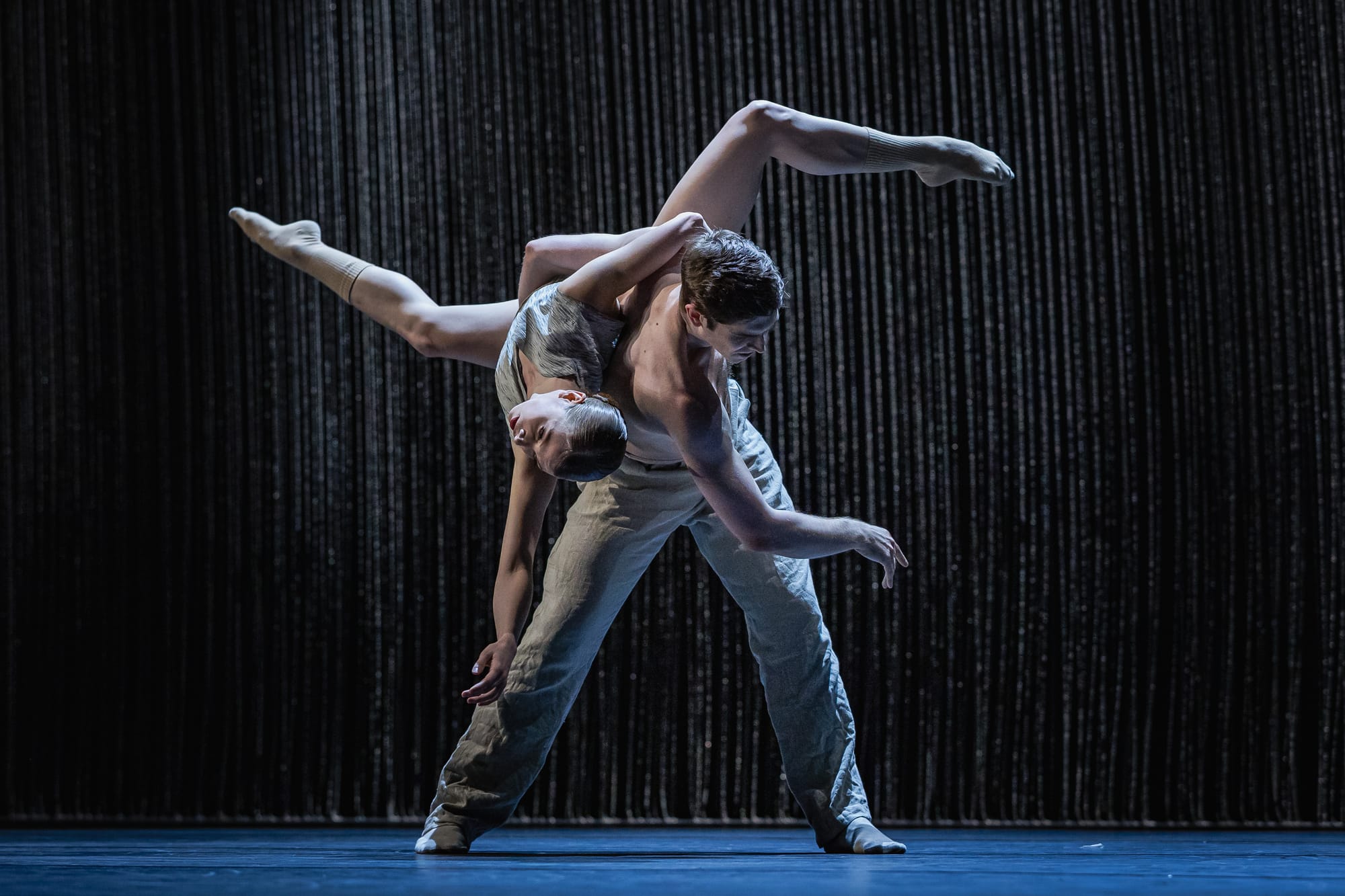
Kylián’s choreographic style blends the precision of classical ballet with the freedom and physicality of contemporary dance. The result is a movement vocabulary that feels both controlled and instinctive, reflecting the work’s central theme of opposing energies coexisting within the same body.
Why Gods and Dogs Matters Today
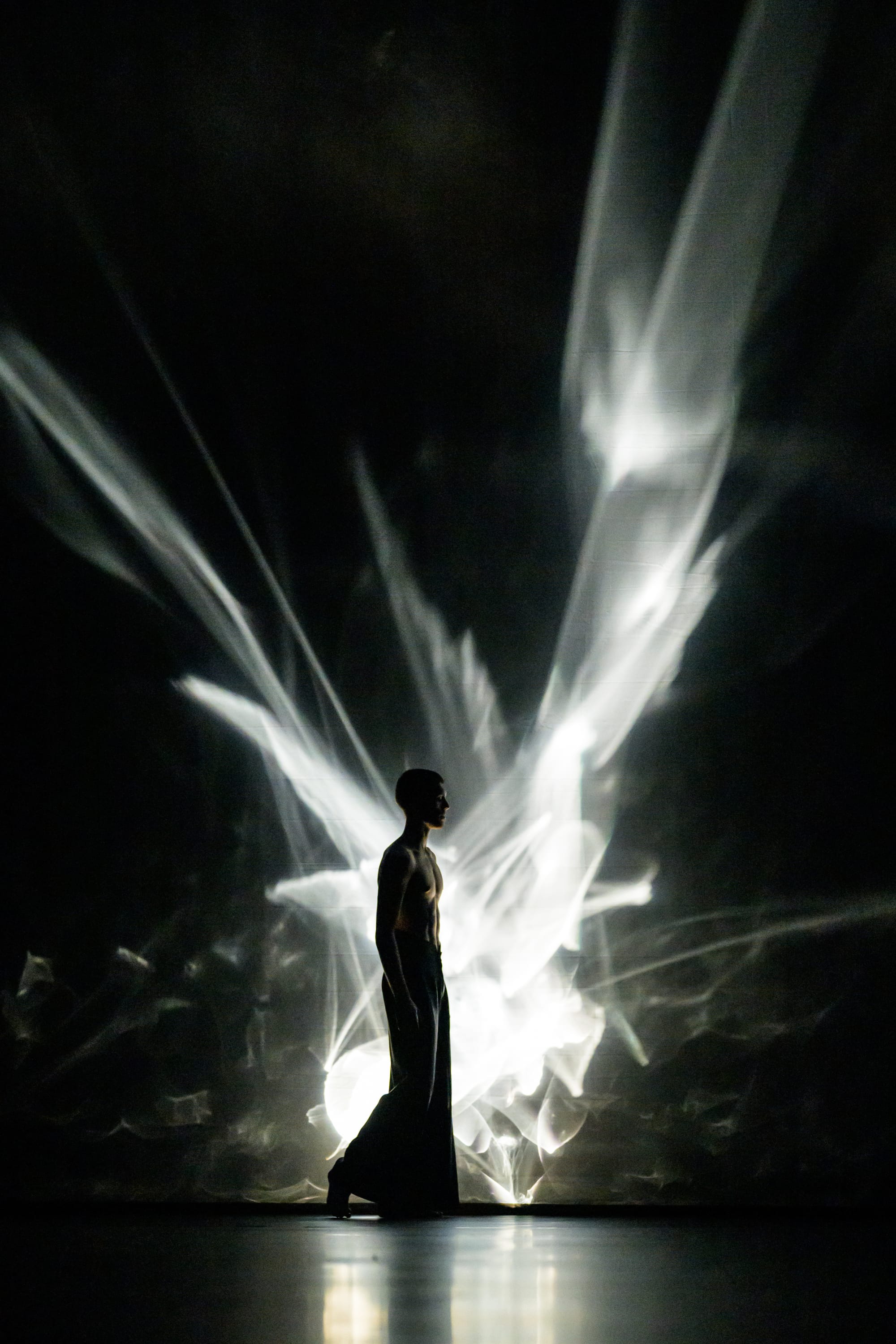
More than a decade after its premiere, *Gods and Dogs* remains remarkably relevant. In a world increasingly shaped by uncertainty, rapid change, and emotional complexity, the ballet speaks to universal questions about identity, self-control, and human nature.
Rather than presenting a straightforward narrative, Kylián offers a poetic meditation on what it means to be human. The work reminds us that within each of us exists a constant dialogue between reason and instinct, order and disorder, vulnerability and strength.
*Gods and Dogs* is ultimately a powerful reflection on the complexity of the human condition—a work that challenges audiences not only to watch, but also to look inward and confront the contradictions that define us all.
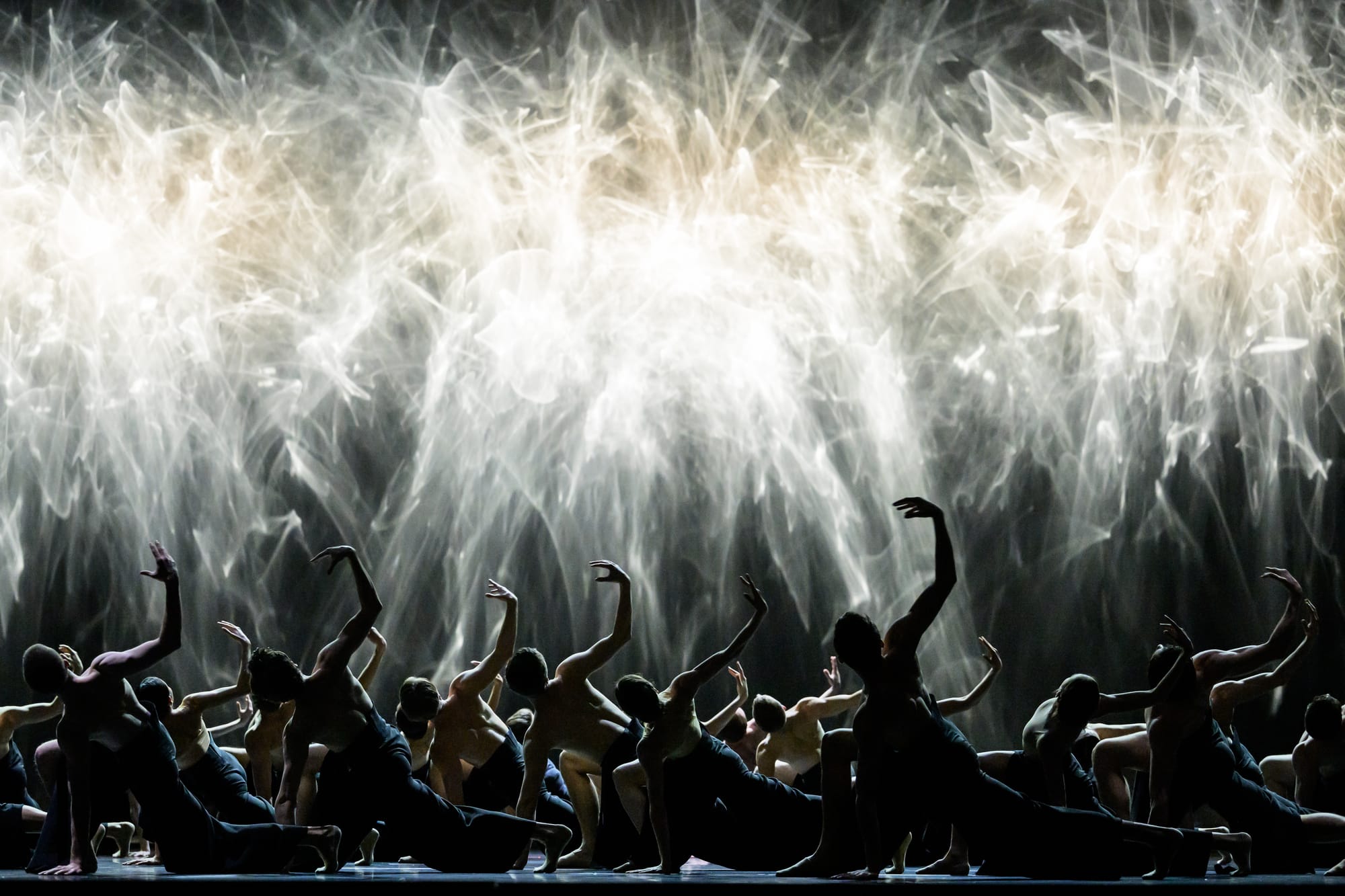
📸 Credit: Yan Revazov
📸 Credit: Serghei Gherciu