Invisible, protective spirit of a family
Project name: 9 Stories from Georgian Mythology (Created on the SharedStory Platform)
In Georgian folklore, the number nine isn’t just a digit—it carries a deep, mystical weight. It stands for wholeness, the closing of one chapter, and the exact moment a new one begins. If you look at oldest Georgian stories, nine is woven into everything:
- The 9 Mountains – The ultimate test of endurance and the obstacles we have to overcome.
- The 9 Springs – A symbol of cleansing, fresh starts, and spiritual healing.
- The 9 Brothers – The deepest bond of loyalty, family, and standing together.
- The 9-Eyed Sun – The all-seeing, warm center of the ancient universe.(The exact concept of a "Nine-Eyed Sun" (ცხრათვალა მზე - Tskhratvala Mze) is beautifully unique to Georgian folklore. You won't find a literal sun with nine eyes acting as a central deity in other major world mythologies)
Building on this sacred tradition, this exhibition brings together nine contemporary artists. Each one uses their own visual style to breathe fresh life into the gods, titans, and spirits of Georgian mythology, creating a bridge between ancient memory and modern eyes.
This is the first time a group exhibition has attempted to capture the entire, sprawling universe of Georgia's mythos. Together, these nine different artistic voices form a perfect circle—a complete cycle where the echoes of the past meet the heartbeat of today.
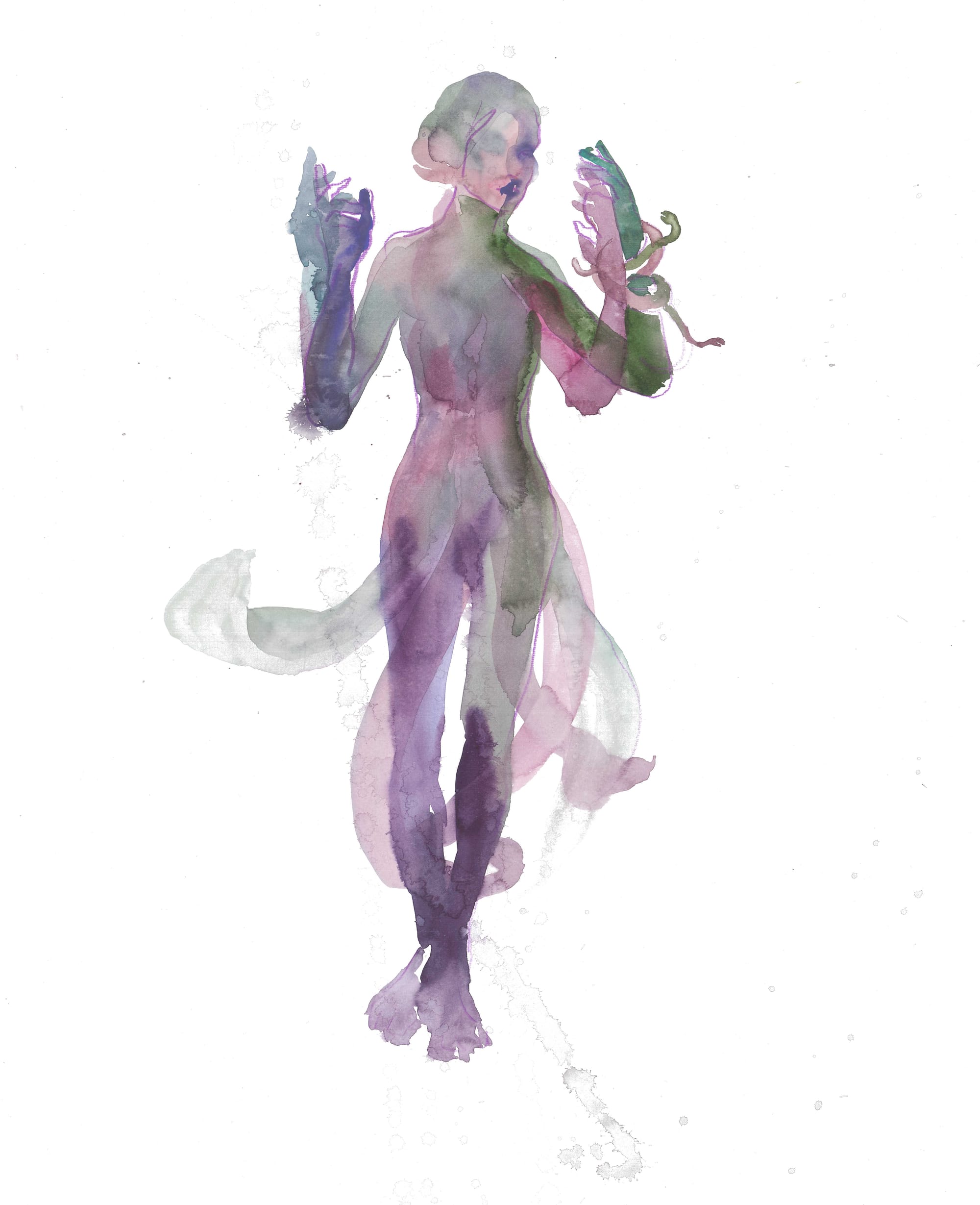
Inquire to purchase the artwork: mail@sharedstory.blog Sharedstory
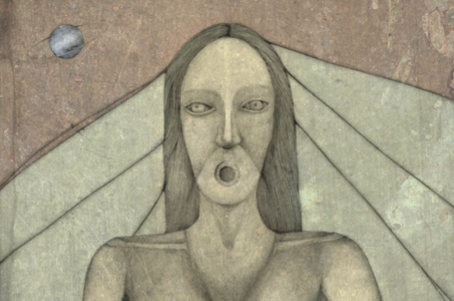
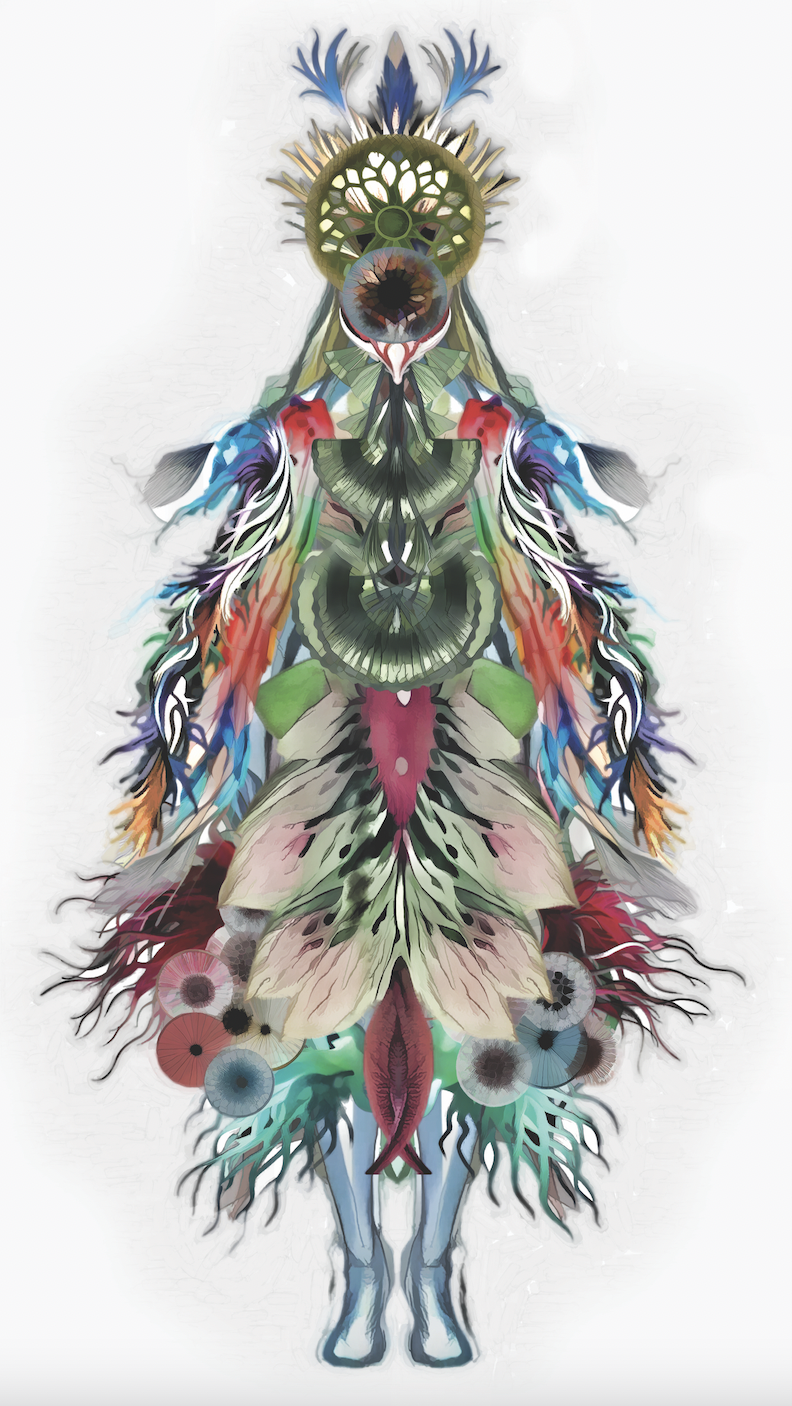
In Georgian tradition, the Pudzis Angelozi is the invisible, protective spirit of a household, family, or ancestral land.
- The "Base" (ფუძე - Pudze): Represents not just the physical foundation of a house, but the entire lineage, continuity, prosperity, and spiritual core of the family.
- The Guardian: Every home is believed to have its own unique angel. If the family lives a righteous life, respects their ancestors and maintains peace, the angel stays and blesses them. If there is constant fighting, betrayal, or neglect, the angel may abandon the house, leading to its downfall.
- The Hearth (Kera / კერა): The absolute center of the Georgian home. The fire in the hearth was sacred and the angel was often thought to reside near or within it.
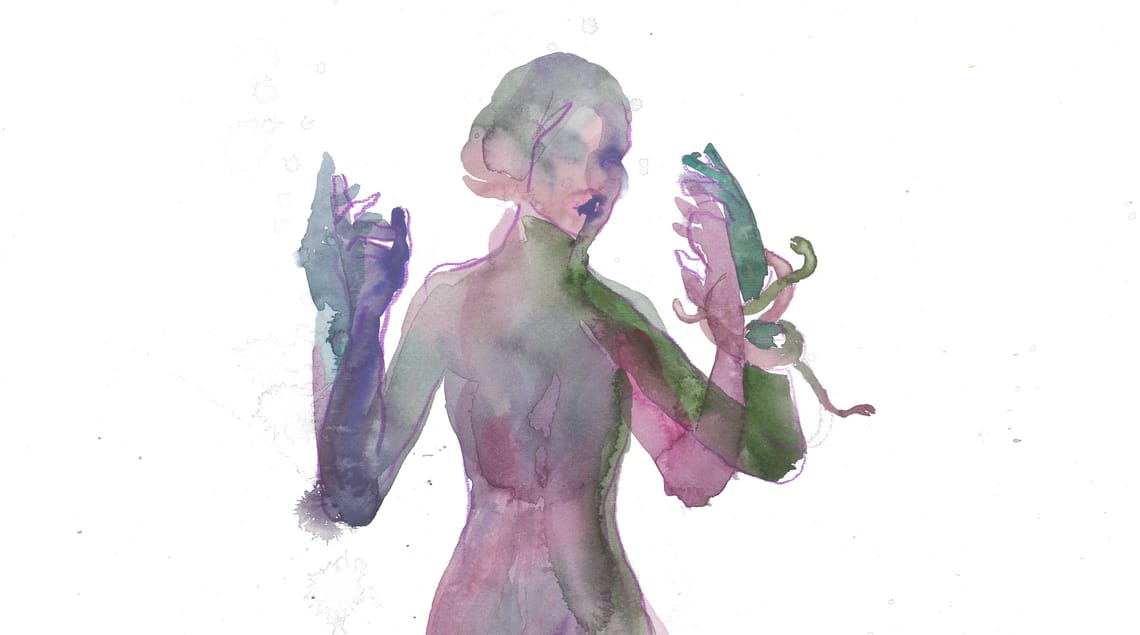
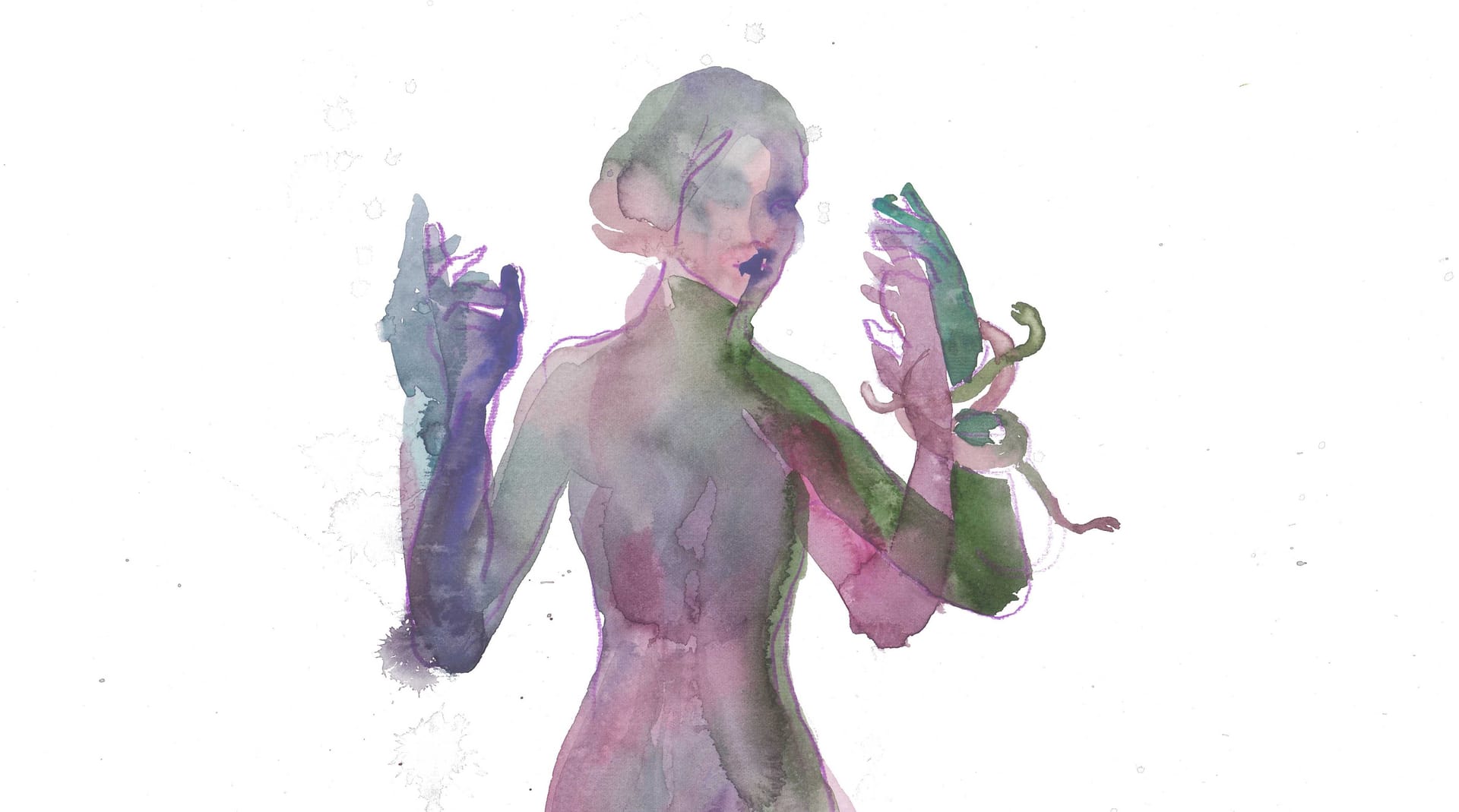
- The White Snake (Gvelis-pudze / გველისფუძე): In older, pre-Christian layers of Georgian folklore, the guardian of the house often manifested as a non-venomous white or golden snake living under the floors or in the walls. Harming this snake was strictly taboo, as it was seen as the physical avatar of the house's luck and the angel's earthly form.
- The Main Pillar (Dedabodzi / დედაბოძი): Literally meaning "Mother Pillar," this central wooden beam held up traditional Georgian homes (Oda or Darvazi). It was often carved with astral symbols (like the Borjgali, the Georgian sunburst) and was considered the physical anchor for the household's guardian angel.
Artist: Nino Eliashvili
A contemporary Georgian artist bridging the gap between reality and dreams.
One of the most captivating aspects of Eliashvili’s technique is how she treats color. Instead of rigid lines and sharp boundaries, she allows her palette to breathe and bleed across the canvas. She masterfully thins her paints, allowing rich pigments to wash over the canvas like waves. Colors melt into one another—deep blues fade into soft creams, and warm green dissolve into misty grays. This technique of "dissolving" colors creates a misty, sfumato-like effect. It gives the viewer the impression of looking through a rain-streaked window or catching a fleeting glimpse of a distant memory.