Choreography by Marcos Morau
Music by Clara Aguilar and Ben Meerwein
Marcos Morau doesn’t just choreograph movement—he builds entire, surreal worlds. The award-winning choreographer and Artist in Residence at the Staatsballett Berlin has earned a global reputation for taking familiar spaces and refracting them into dreamlike, uncanny realms. With his project, Wunderkammer, Marco Morau turns his gaze back into history to hold up a mirror to who we are right now.
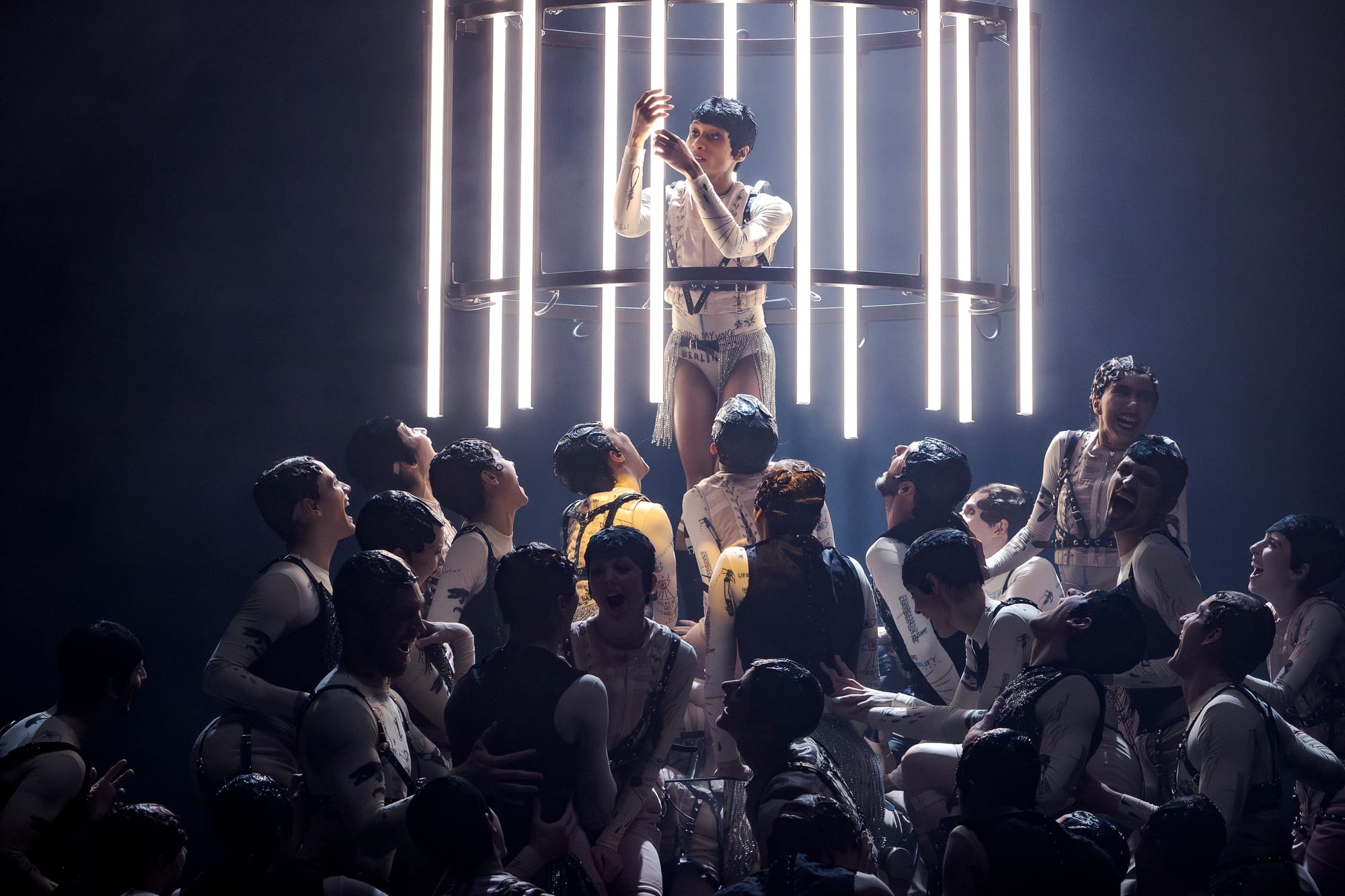
To understand the piece, one must first step back into the European Renaissance and Baroque eras. A Wunderkammer—or "cabinet of curiosities"—was a space where collectors gathered the bizarre, the astonishing, and the unfamiliar.
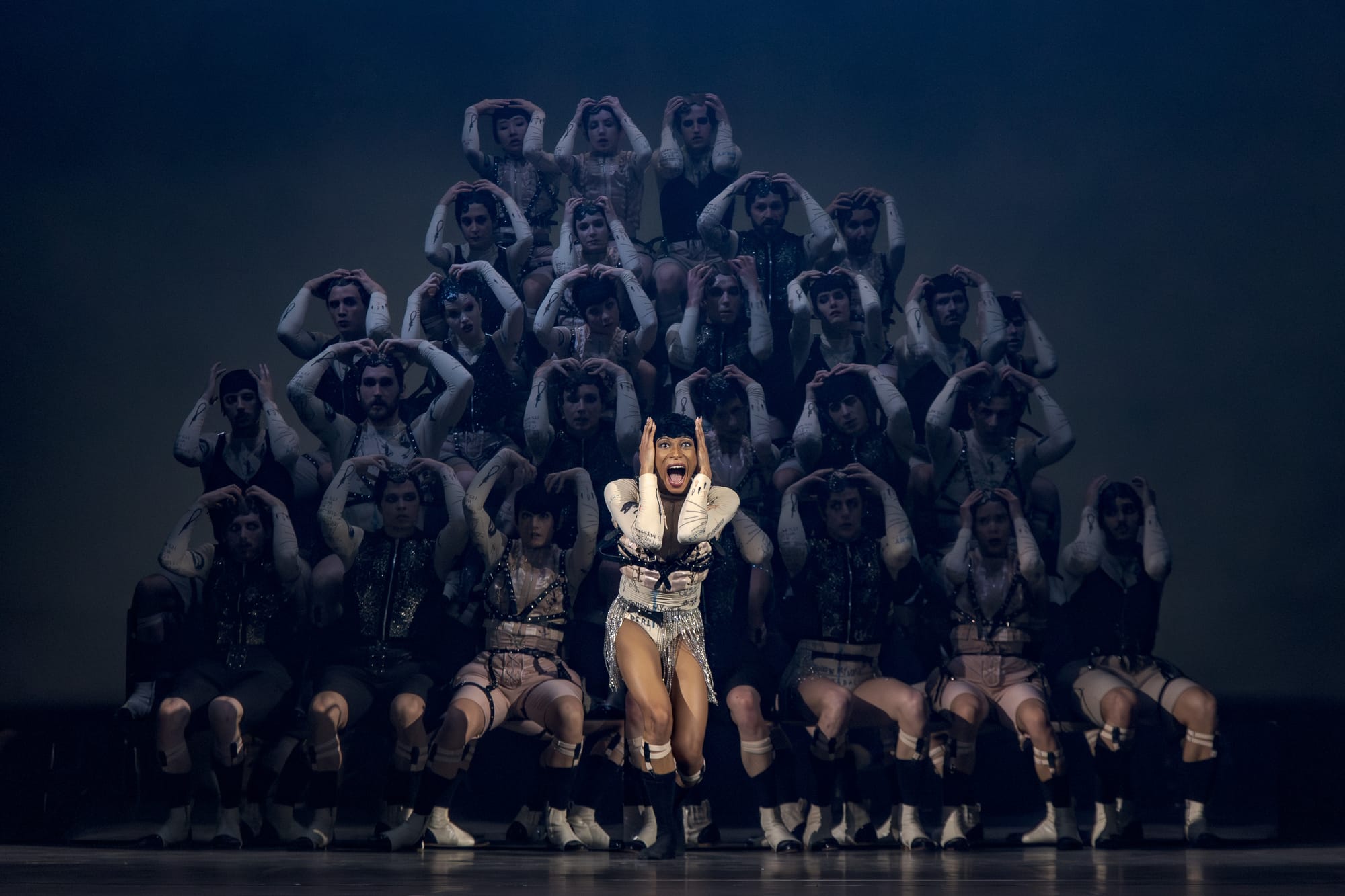
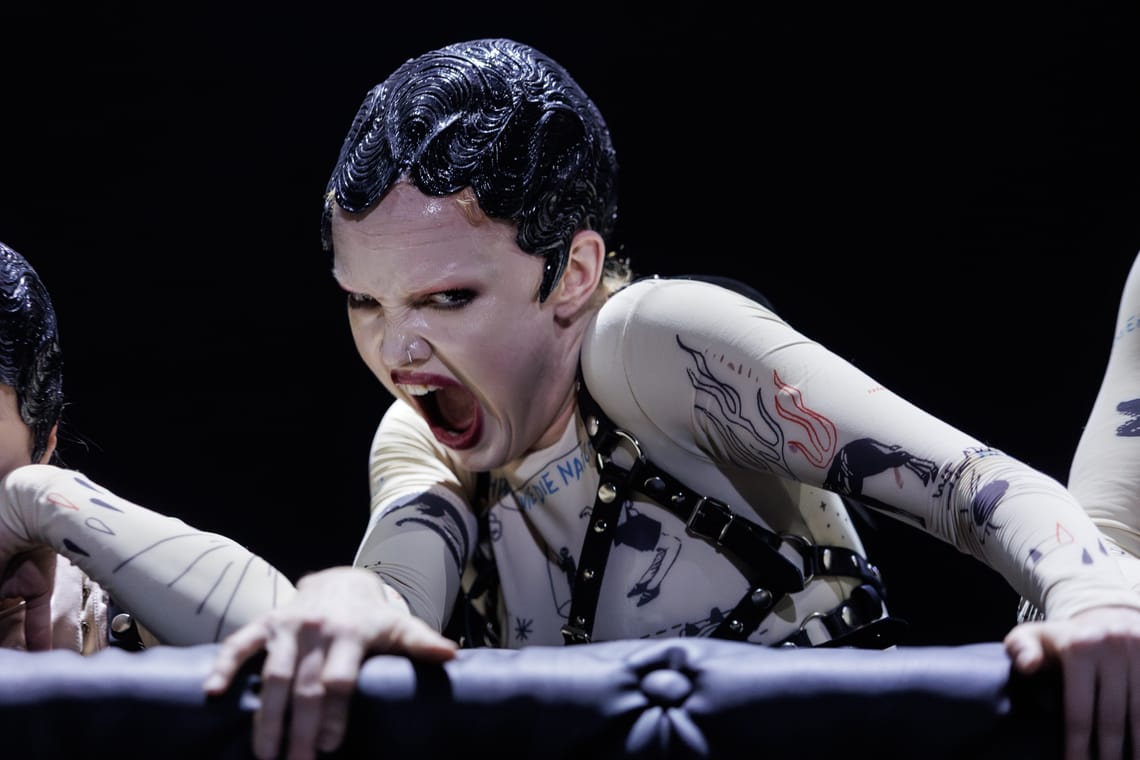
Morau takes this historical concept and reimagines it on the contemporary stage. Under his direction, the stage becomes a living cabinet of curiosities—a space pulsing with unexpected perspectives, sudden shifts, and vibrant surprises. But instead of collecting inanimate objects, Morau collects human experiences.
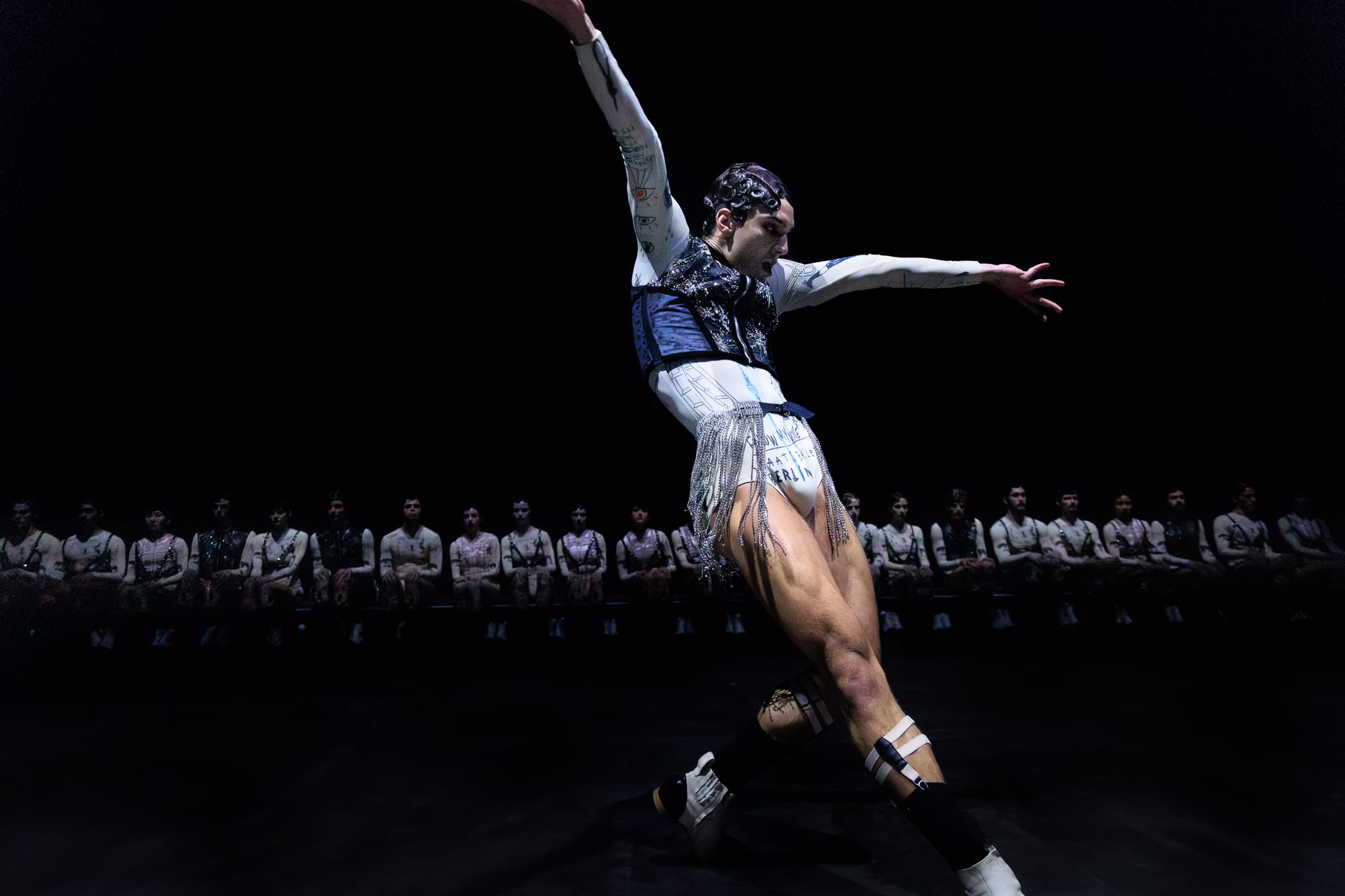
Moreau has brilliantly arranged and united the highlights of different eras. Berlin has always been a city that comes alive when the sun sets. From the smoky, radical cabarets of the 1920s to the bass-heavy, cavernous sanctuaries of today’s Techno clubs, the city’s nightlife has never been just about entertainment—it is a haven for reinvention, resistance, and radical freedom.
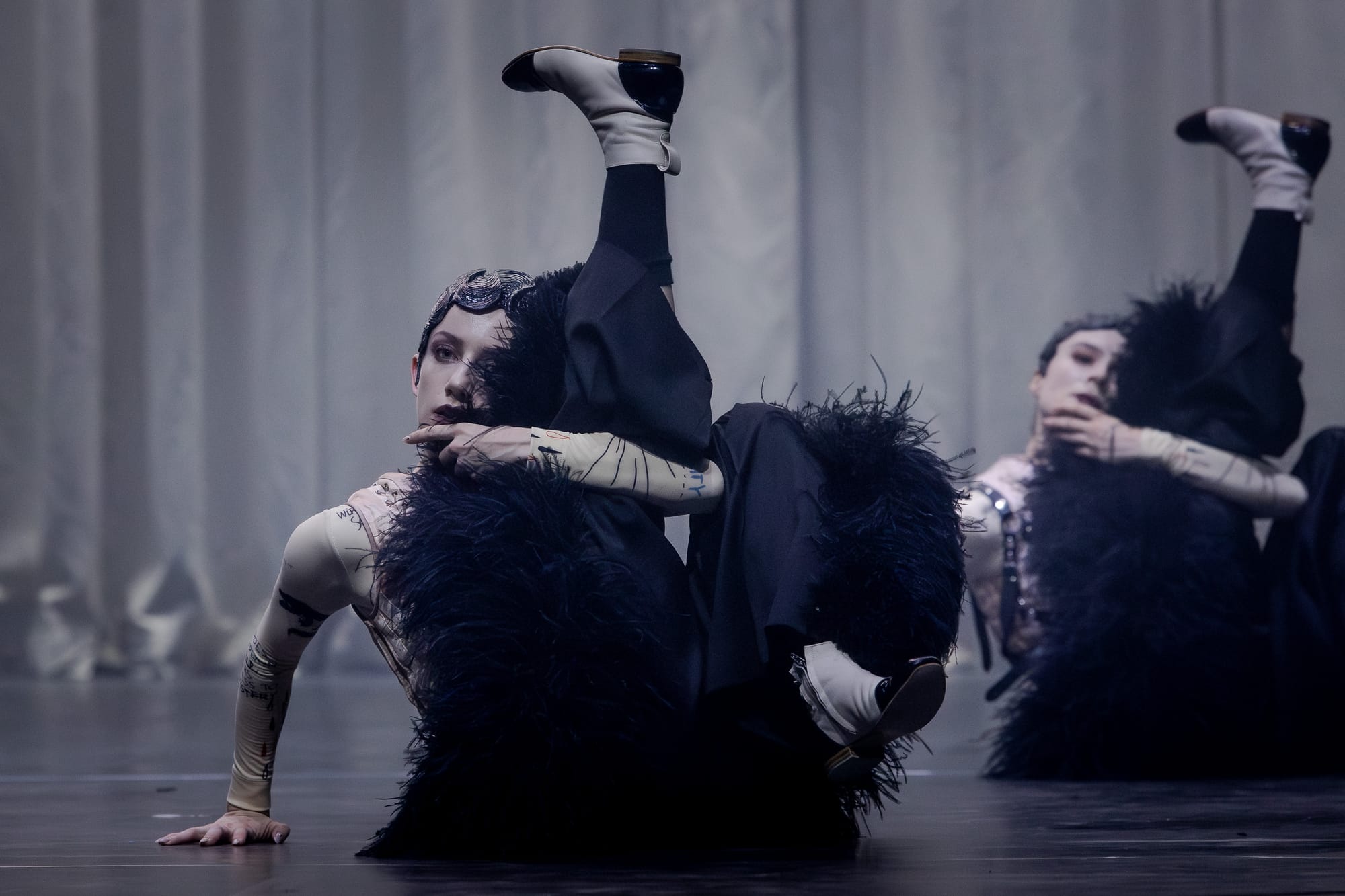
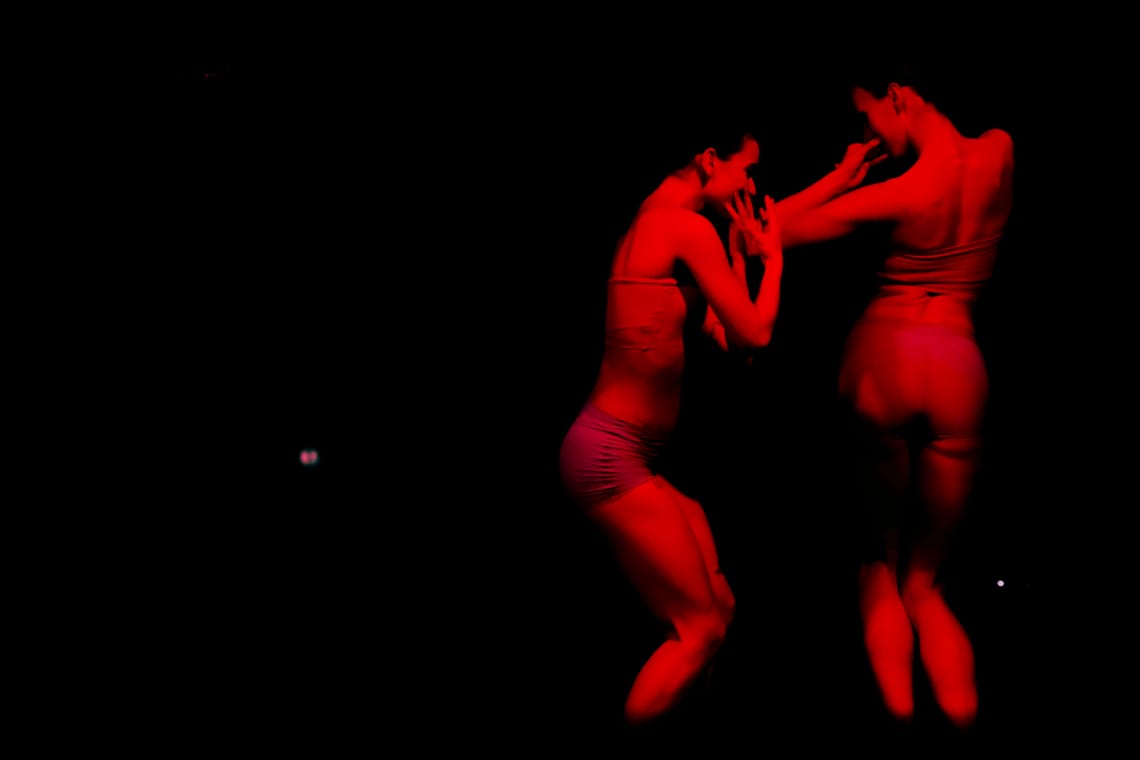
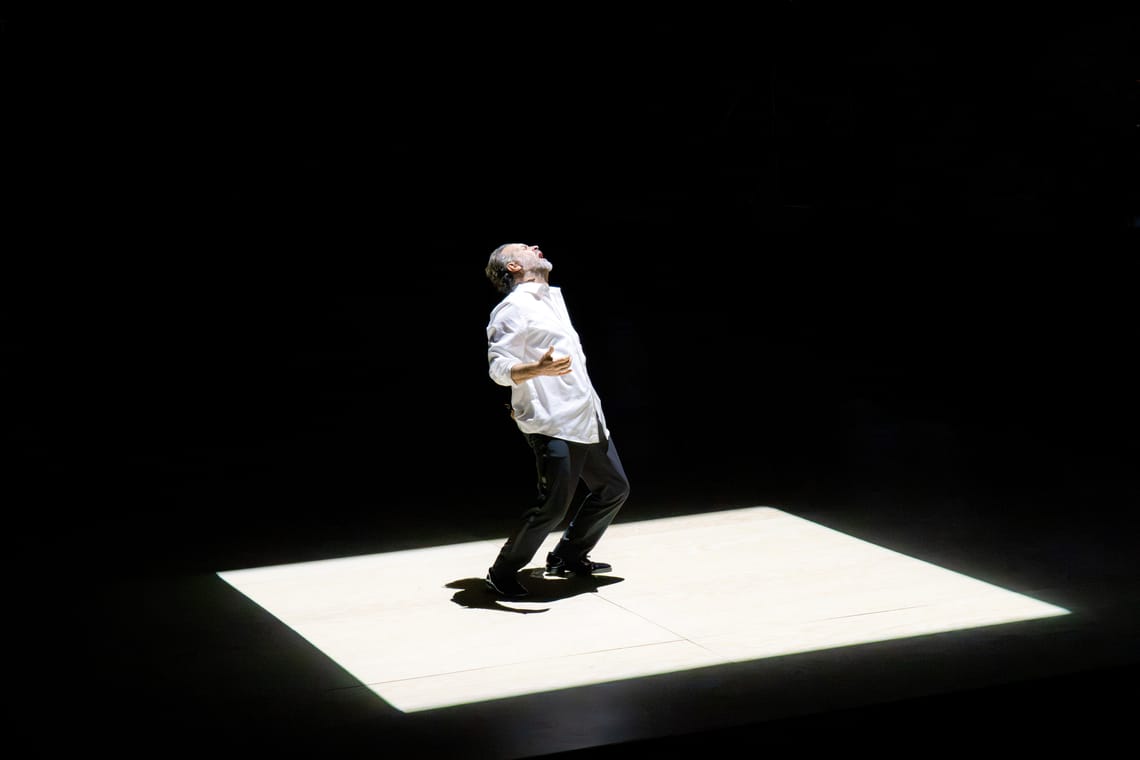
The dancers move through states of play, metamorphosis, and visceral emotion. The performance becomes a celebration of polyphony—a rich, beautiful chorus of different voices, body languages, and stories coming together in a shared moment of release.
The music, choreography, and scenography create such a powerful synthesis that the audience involuntarily becomes part of it—rather than merely watching a spectacle, it transforms into one unified wonder.
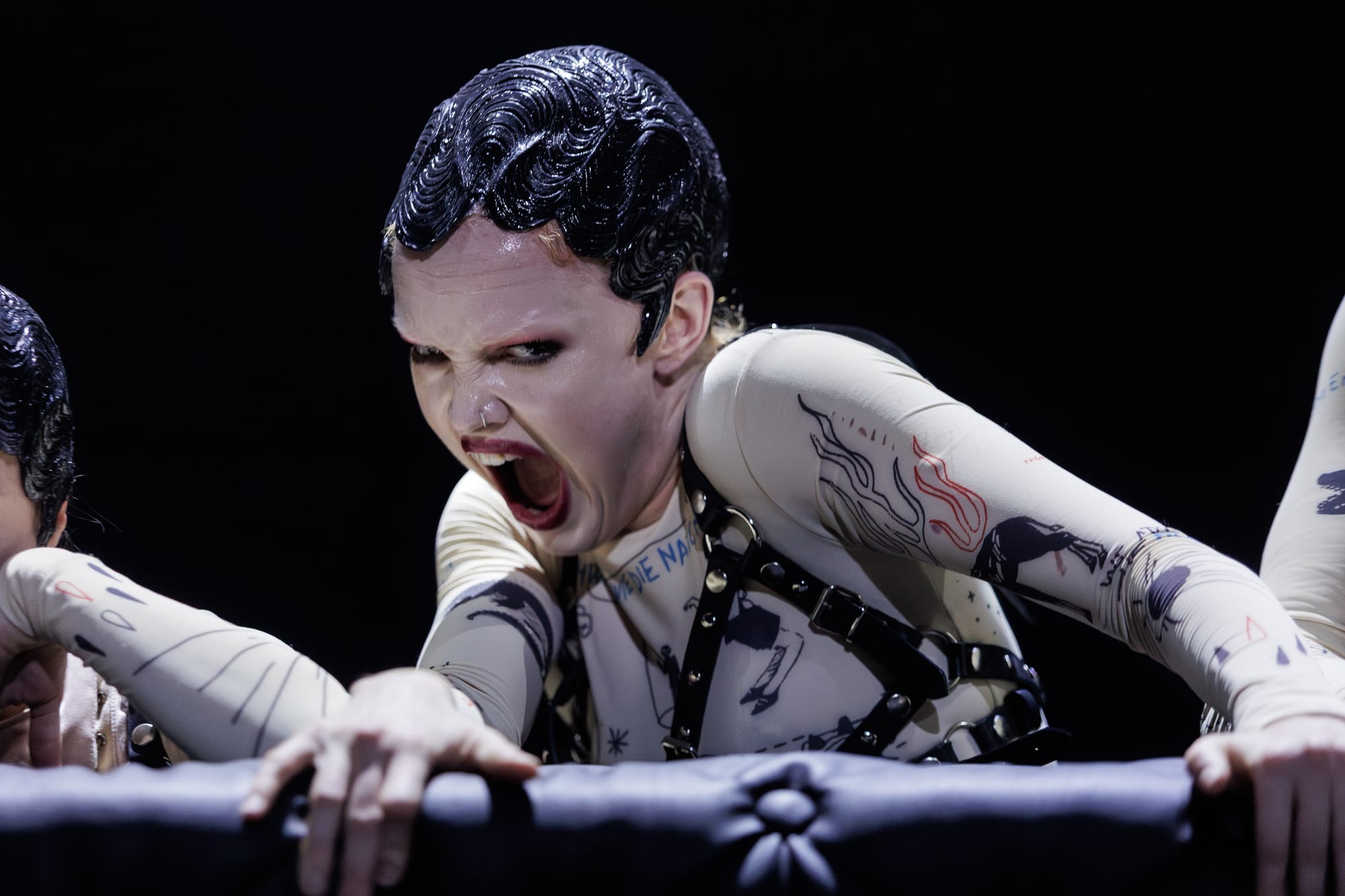
📸 Credit: Yan Revazov