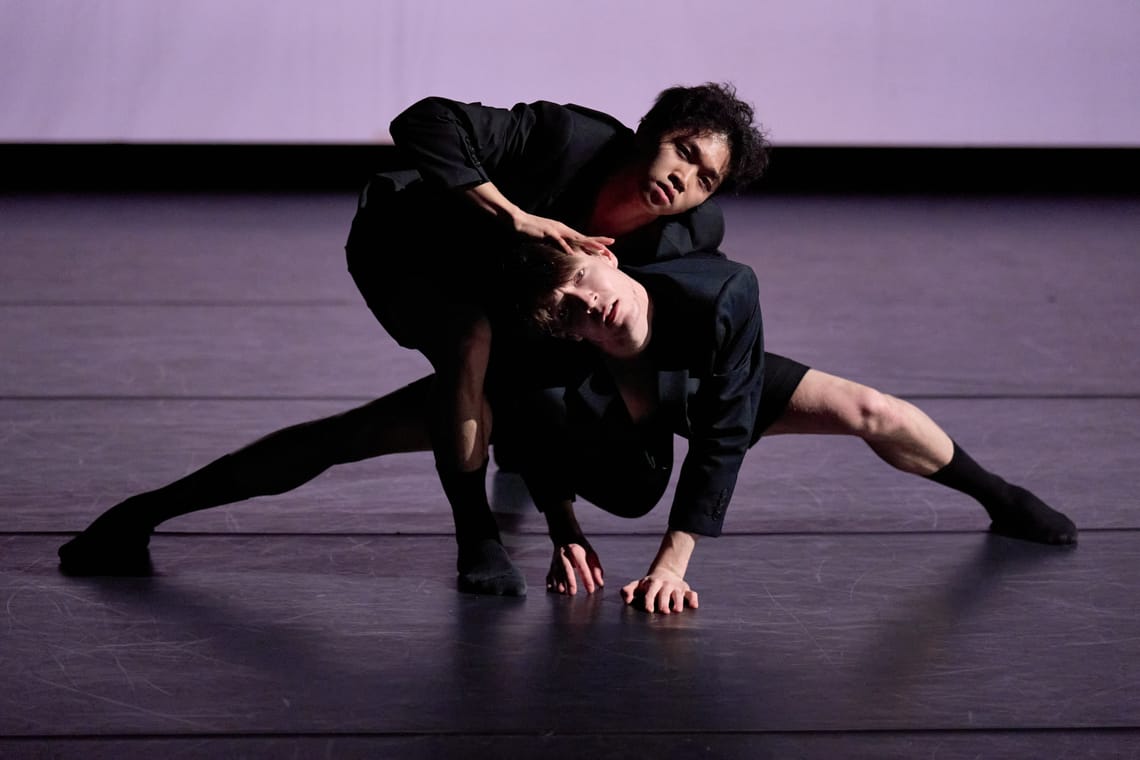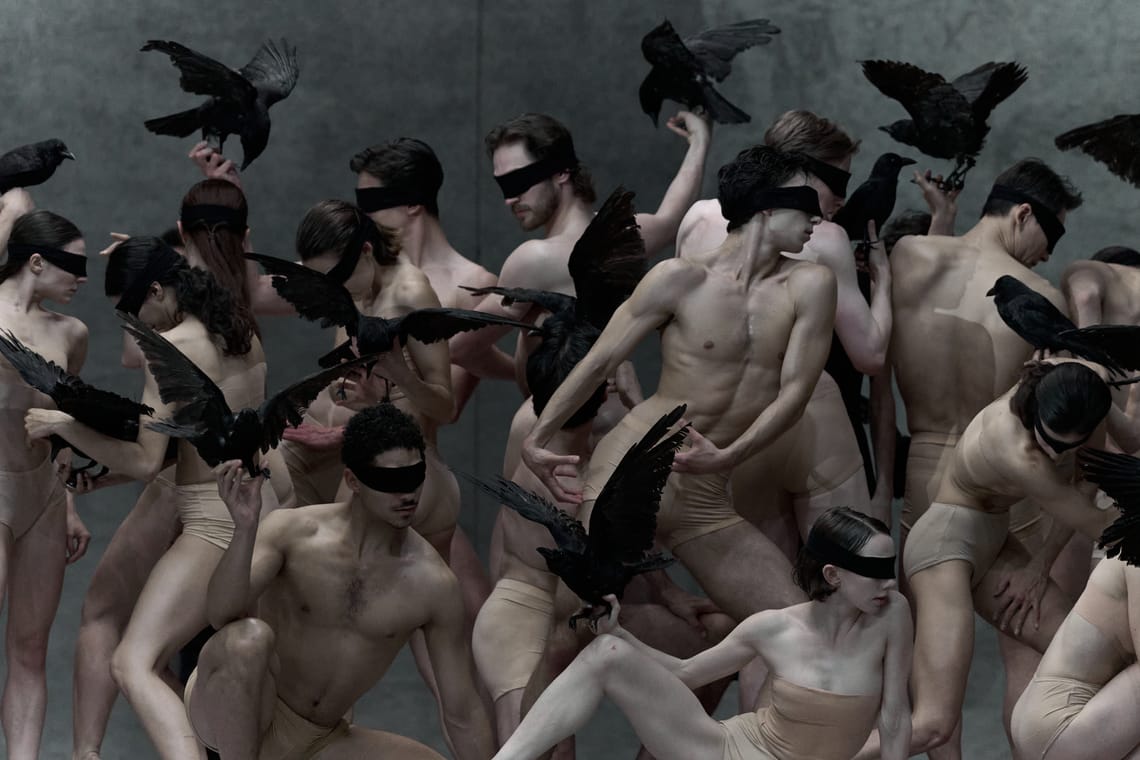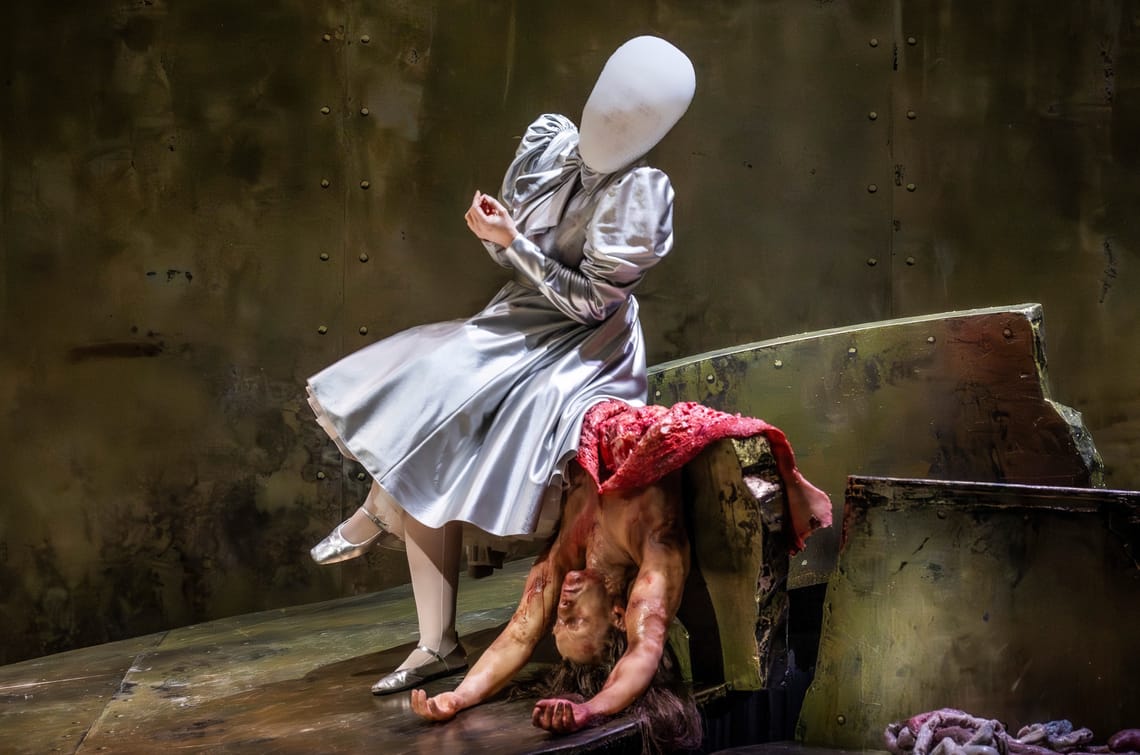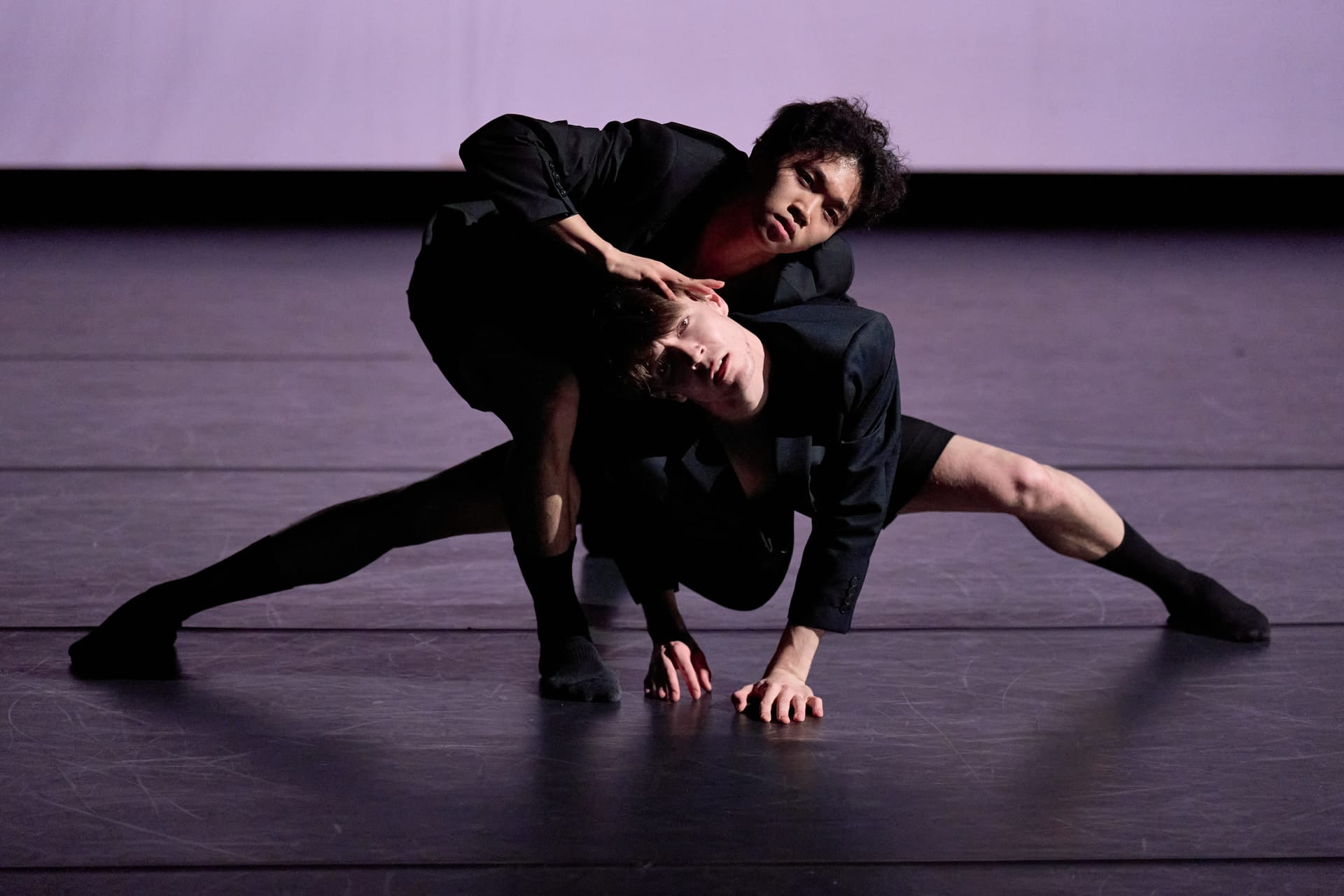
There are moments in the theater when you realize you are witnessing something more than just a performance. That is exactly what the evening of Next Generation by the Staatsballett Berlin felt like.
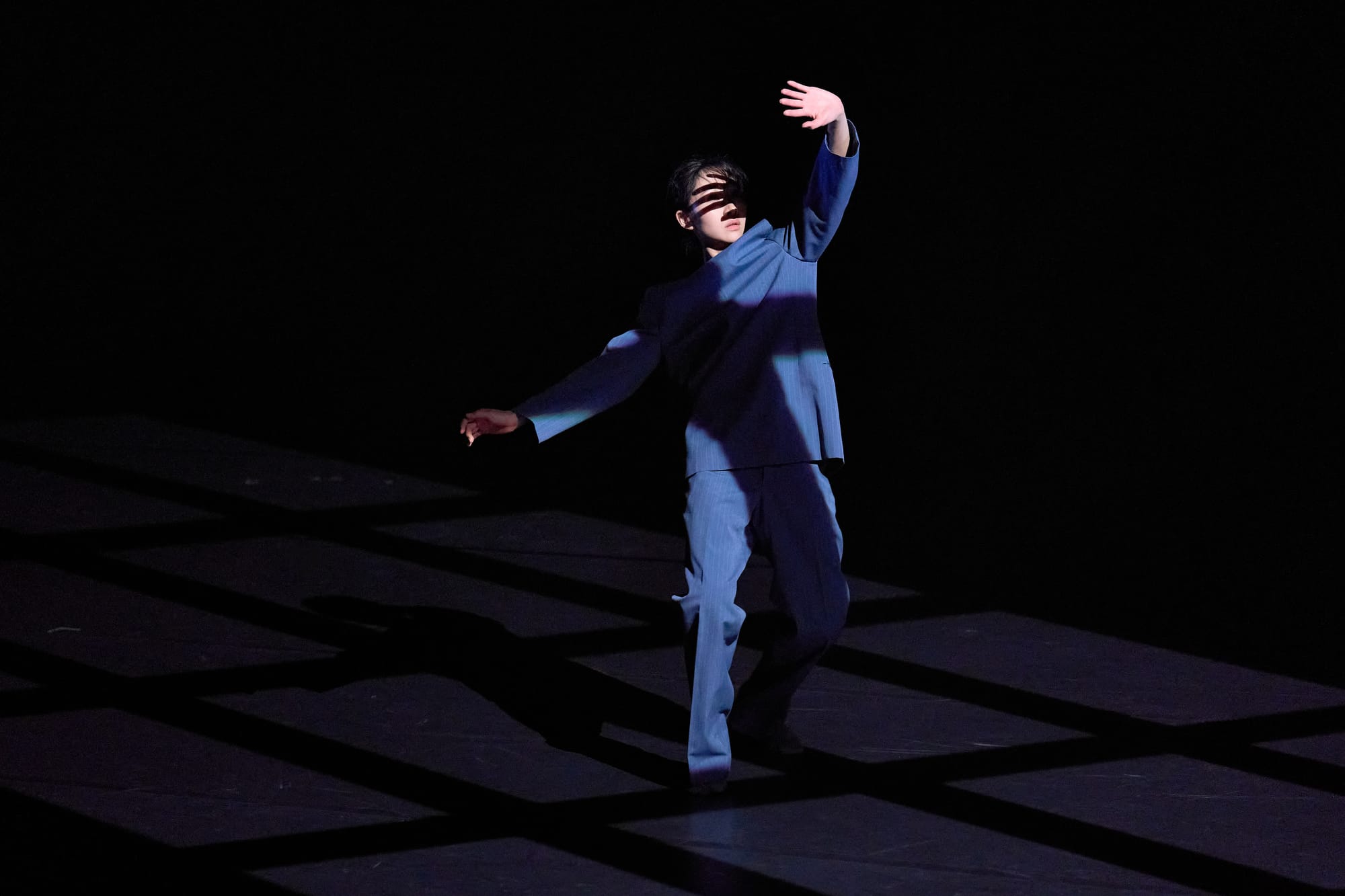
The format offers dancers from the company exciting opportunity: the space to step beyond interpretation and into creation. Instead of performing established choreography, they become choreographers themselves, exploring their own ideas, inspirations, and artistic voices. The result is a collection of short works that feel personal, daring, and deeply alive.
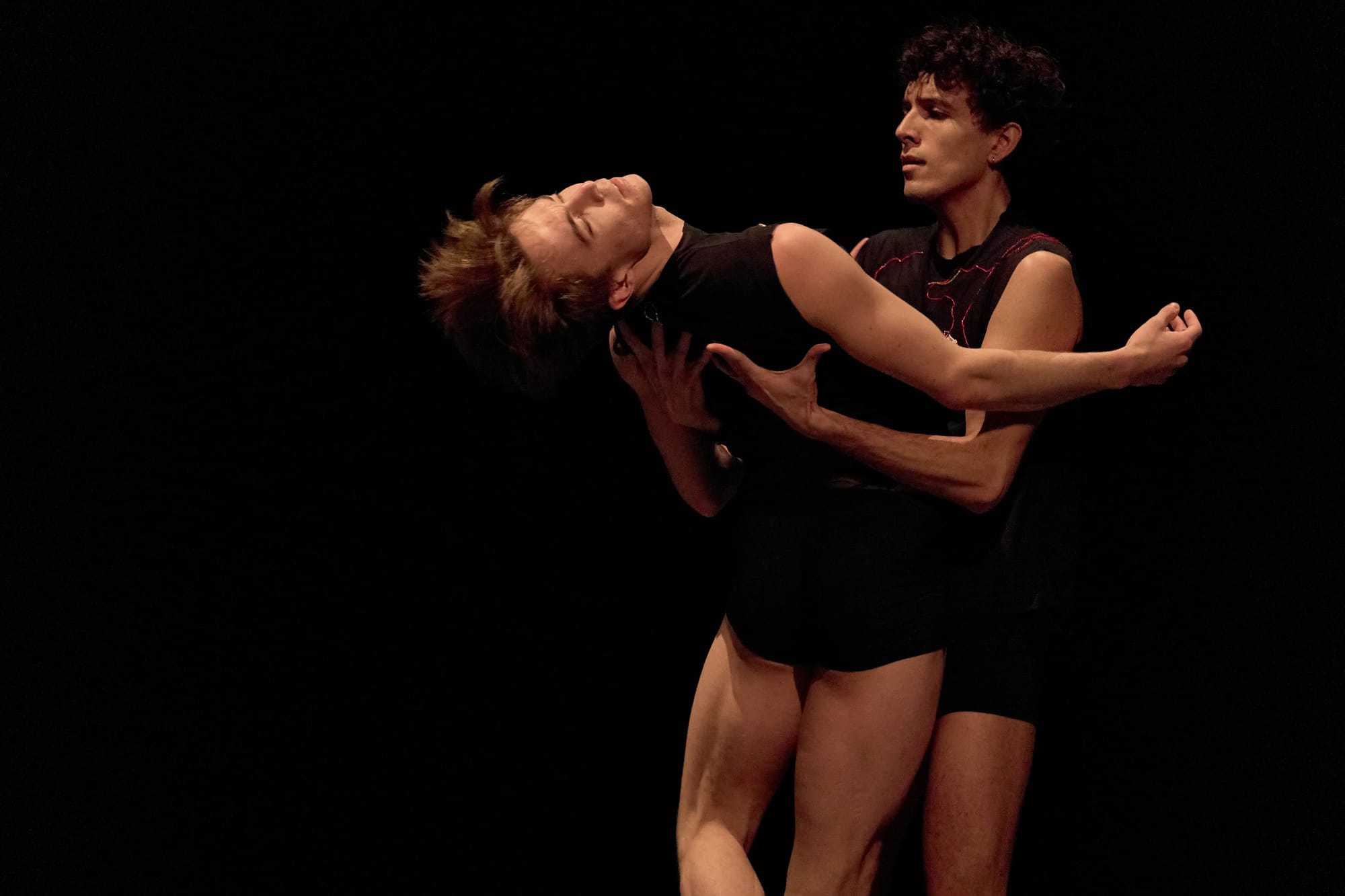
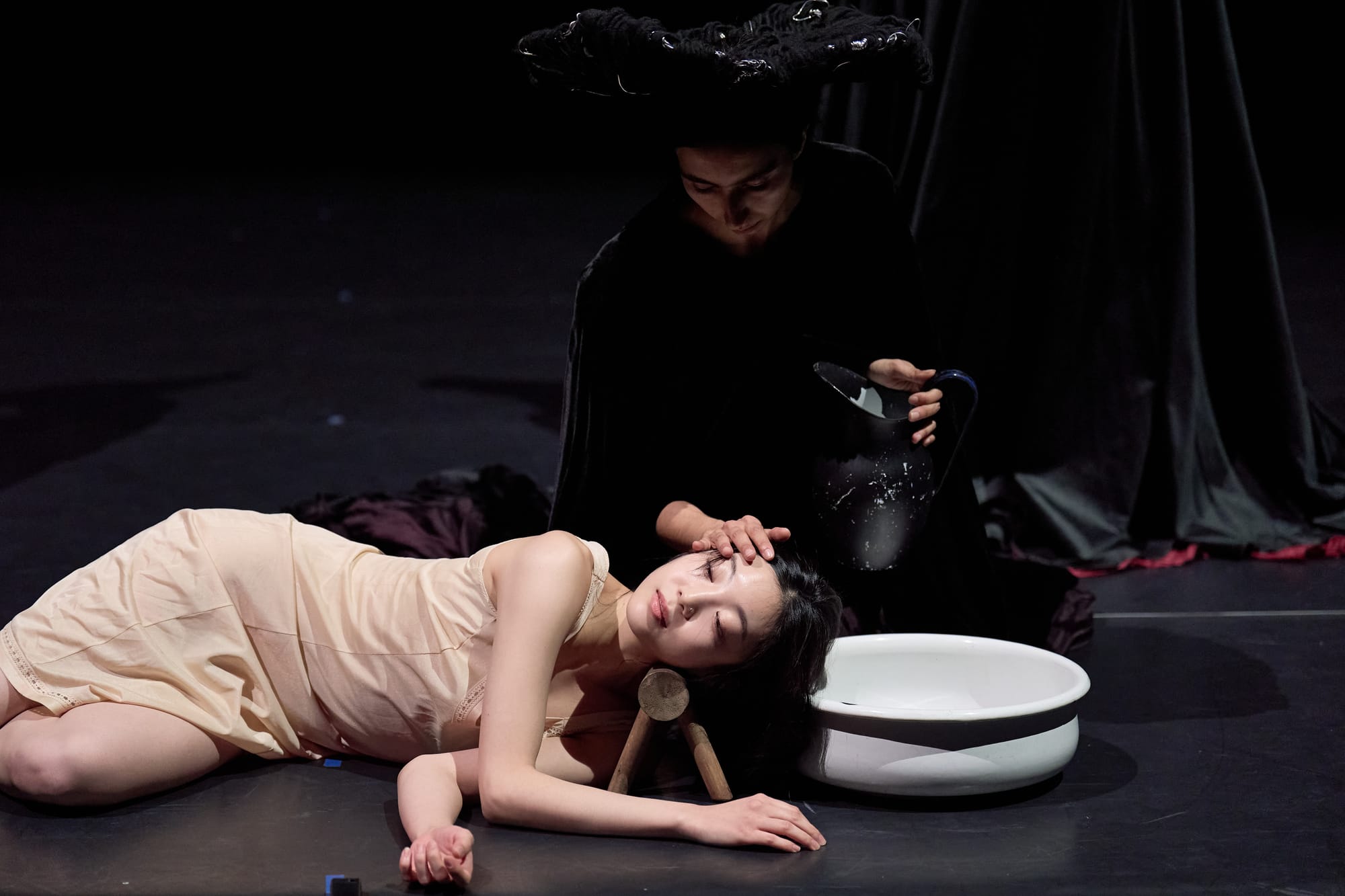
From the very beginning, the atmosphere in the Tischlerei of the Deutsche Oper Berlin was charged with curiosity. Each piece brought a new perspective to the stage. Some choreographies played with familiar movement language, reshaping classical ballet vocabulary into something unexpected. Others drew from personal stories, literary ideas, or reflections on contemporary themes. What united them all was a sense of exploration—a search for a unique choreographic signature.
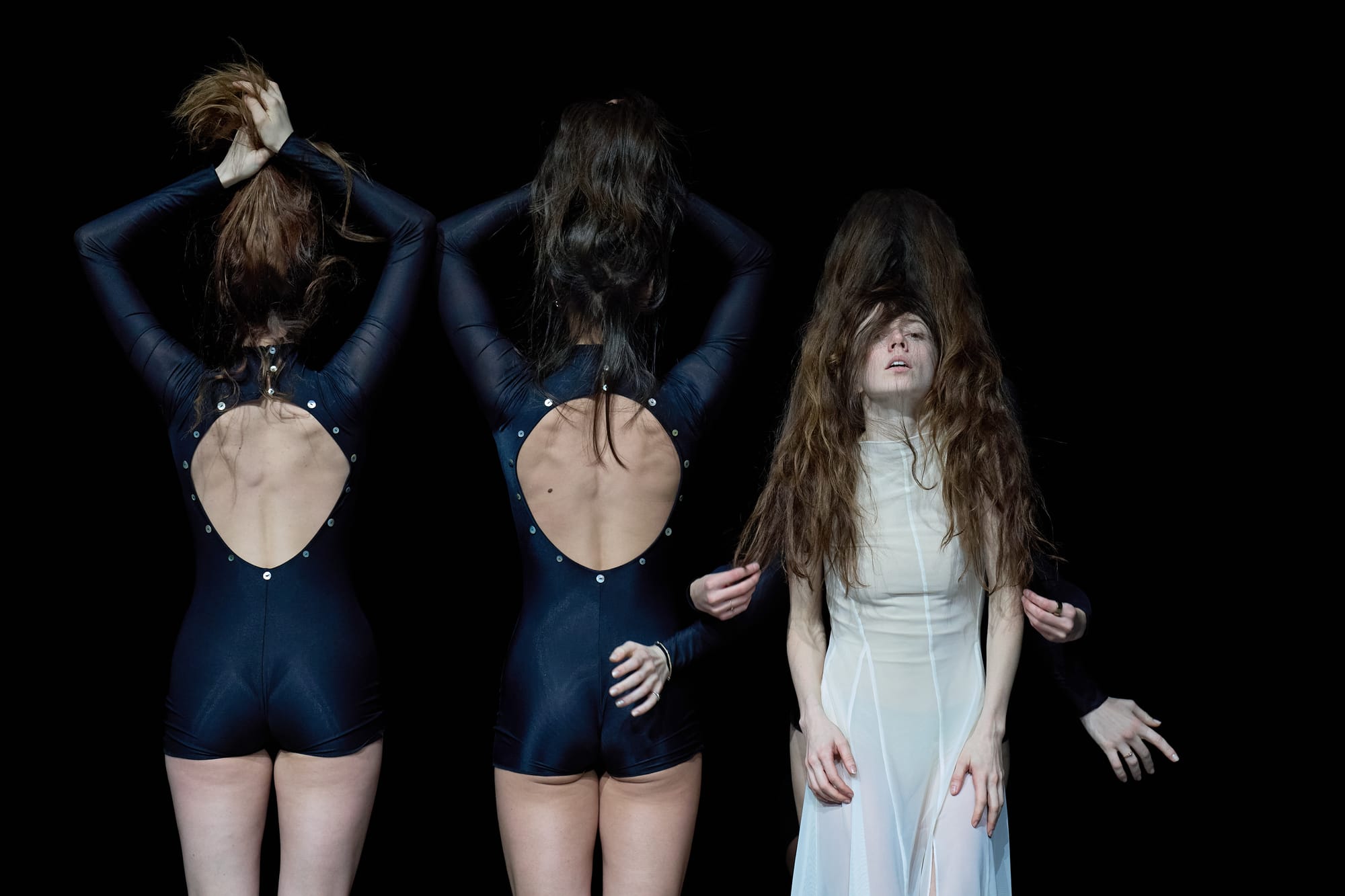
Watching these works unfold felt like opening a series of creative windows into the minds of the dancers. Every choreographer approached movement differently: some focused on intimacy and subtle gestures, while others filled the space with dynamic energy and bold physicality. The diversity of styles made the evening especially captivating, because no two pieces felt the same.
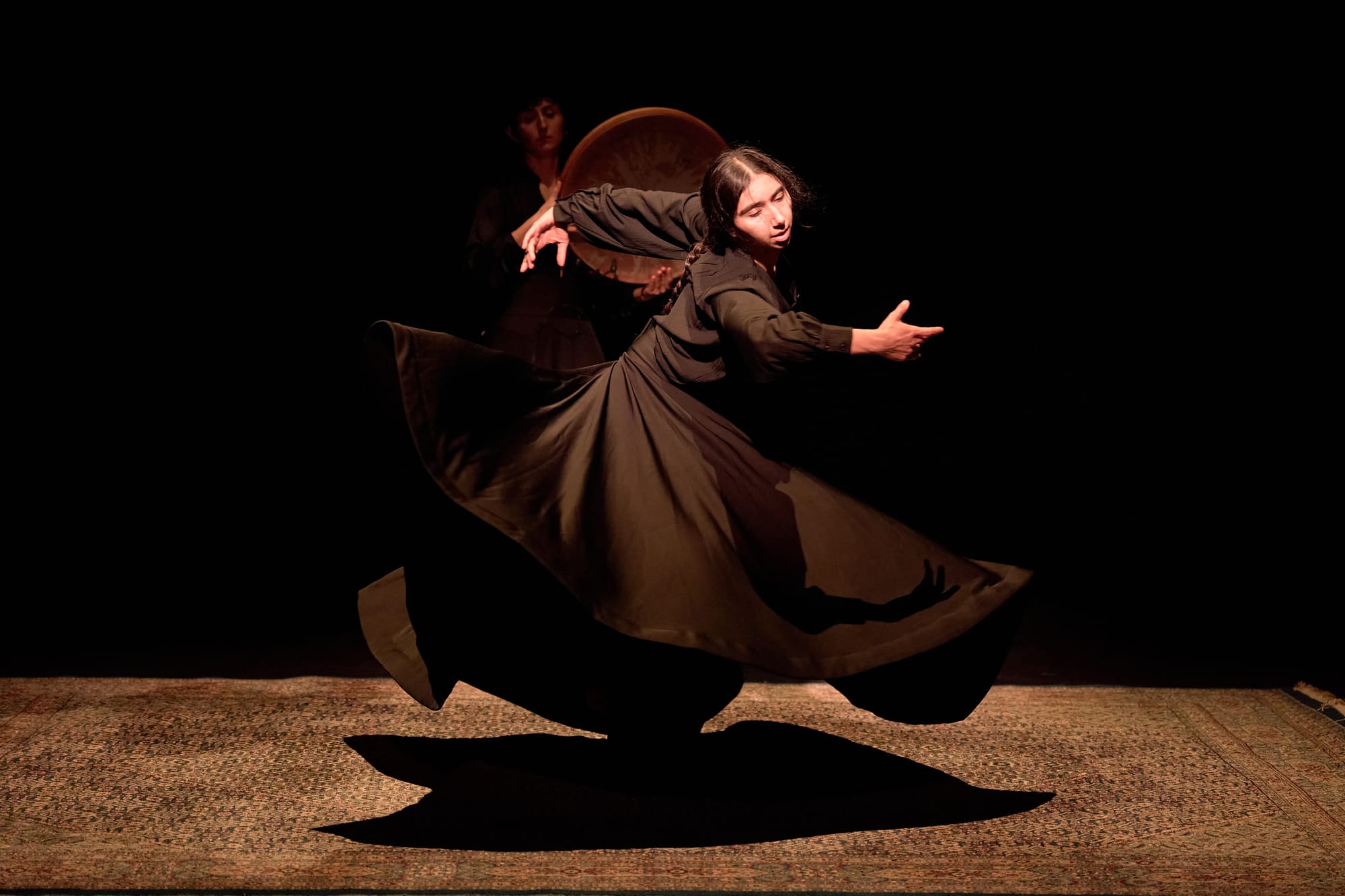
What made the experience truly special was the sense of authenticity. These were not polished, predictable productions, but honest artistic experiments. It reminded the audience that dance is not only about perfection—it is also about curiosity, vulnerability, and the constant desire to discover something new.
Experiencing Next Generation was genuinely inspiring. It was amazing to see how much creativity and imagination lives within the dancers of the company. The evening offered a glimpse into the future of choreography, shaped by artists who are eager to question, explore, and redefine movement.
📸 Credit : Admill Kuyler